bas stories
Ceramics, plants & design


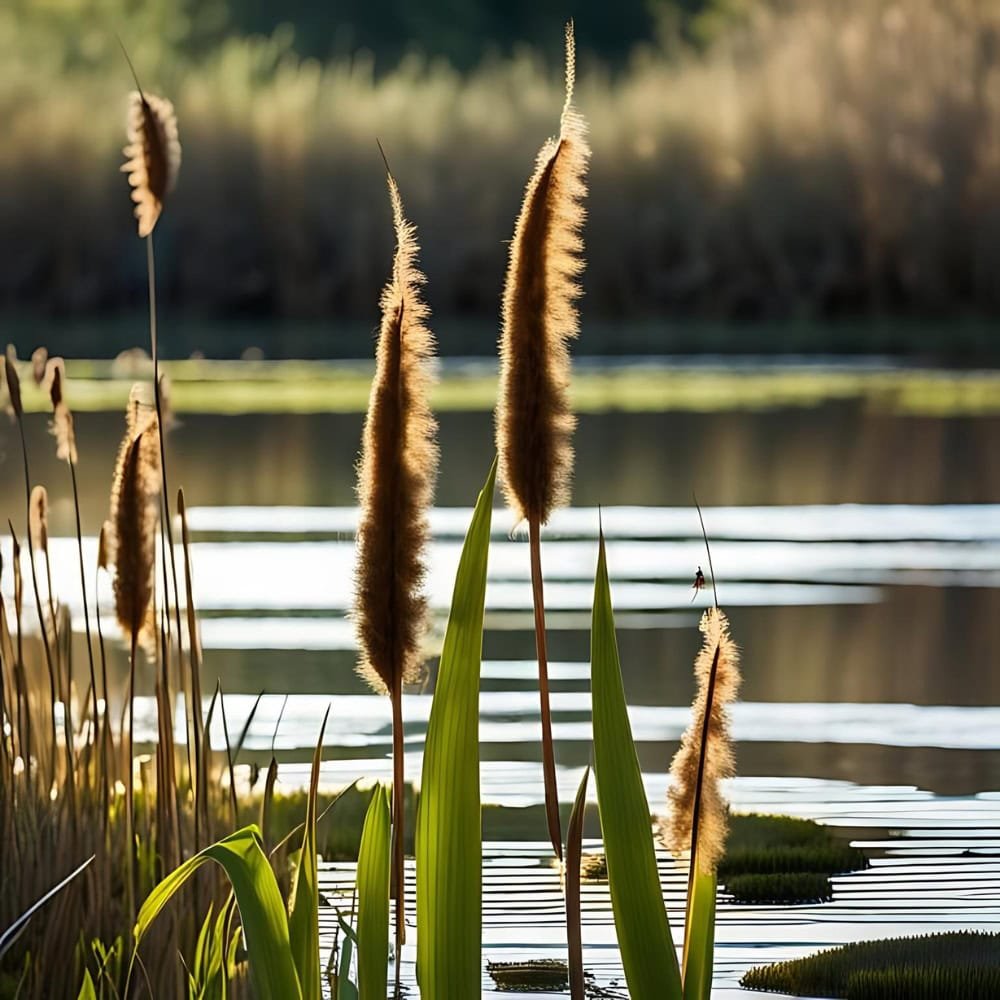
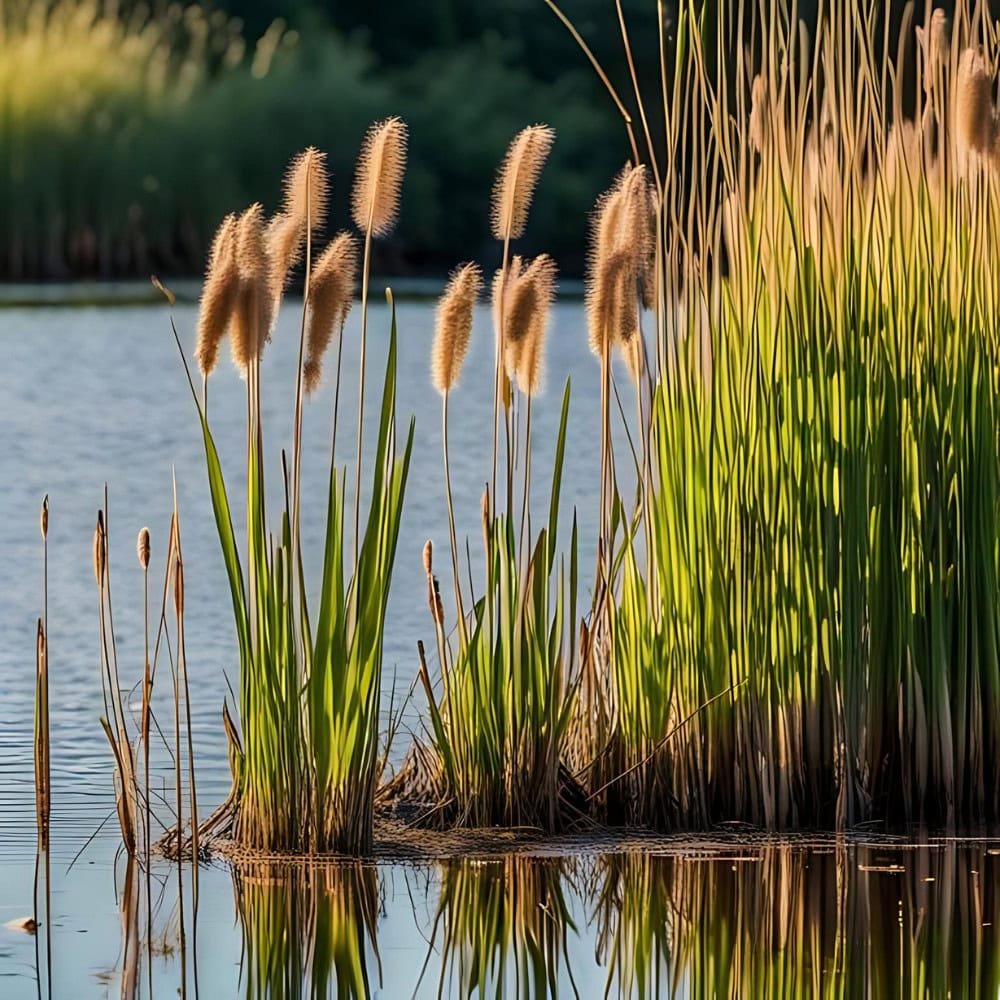
Thanks to its ability to spread through rhizomes, Typha latifolia can quickly colonize new areas. Its adaptability allows it to grow in human-altered environments, such as ditches and urban wetlands.

Typha latifolia plays a crucial role in aquatic ecosystems by providing habitat for various species of birds, insects, and other animals. In addition, its dense roots help stabilize soils and prevent erosion.
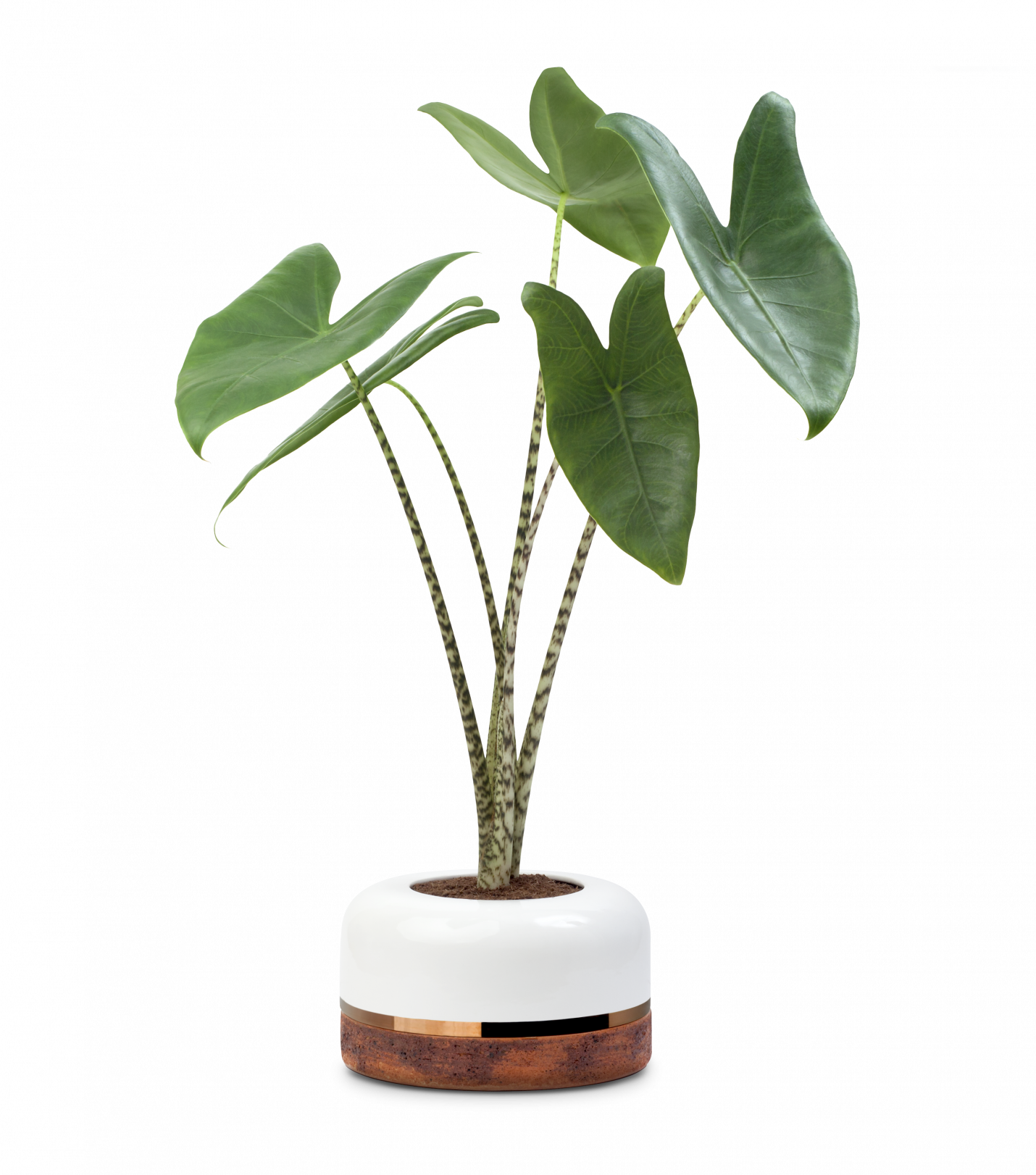
Typha latifolia is excellent for use as a decorative plant. The important thing is to have a special, elegant planter such as the Stratum from Bas to keep the plant in optimal condition.

Typha latifolia is a perennial aquatic plant commonly known as cattail, bulrush, or reed. It is native to many regions of the Northern Hemisphere and plays an important role in aquatic ecosystems.
It is located in wetlands, lakes, ponds, and riverbanks in North America, Europe, and Asia. It prefers moist and waterlogged soils.
Traditionally, it has been used to make mats and baskets, and as a source of food. Nowadays, it is used in wetland restoration, phytoremediation, and biofuel production.
It spreads mainly through underground rhizomes, which allow it to quickly colonize new areas.
It provides habitat for various species, stabilizes soils, prevents erosion, and improves water quality through phytoremediation.
Its spread can be controlled by manually removing rhizomes or using physical barriers. Sustainable management is essential to balance its ecological benefits and control its growth.
Typha latifolia is a fascinating and multifaceted plant with a significant impact on aquatic ecosystems. Its ability to adapt and thrive in diverse environments, coupled with its many traditional and modern uses, makes it a species of great interest for both ecological conservation and practical applications.
Proper and sustainable use of this plant can ensure that it continues to provide benefits without becoming an invasive threat.